In Morocco, hospitality is not just a custom — it’s a way of life. And at the heart of that tradition lies a single, steaming symbol: mint tea.
Known as “Atay” in Arabic, Moroccan mint tea is far more than just a beverage. It’s a ritual, a gesture of welcome, and a cornerstone of social life. Whether you’re visiting a friend, browsing in a shop, or arriving at a desert camp, you can expect to be offered a glass of this fragrant, sweet elixir.
But where does this tradition come from? And what makes Moroccan mint tea so special?
In this article, Atlas Sahara Event invites you to take a closer look at the cultural importance of mint tea in Morocco — and how it shapes every travel experience.
—
A Warm Welcome in Every Glass
In Morocco, offering mint tea is the ultimate symbol of hospitality. It’s the first thing served when guests arrive, and often the last thing enjoyed before they leave.
Serving tea is more than refreshment — it’s a sign of respect and generosity. Refusing a glass, especially in someone’s home, may be seen as impolite unless you explain why (e.g., dietary reasons). But trust us — once you taste it, you probably won’t say no!
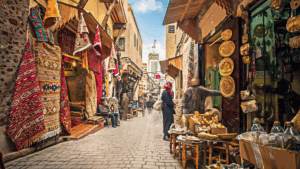
Even in shops or markets, merchants may invite you to share a glass as a way of building trust and connection. Whether or not you buy anything, the gesture is genuine and often followed by stories and smiles.
—
A Ritual with Roots
Tea was introduced to Morocco in the 18th century, believed to have been brought by European traders, especially the British. Since then, Moroccans have made it their own, developing a style that is unique, artistic, and rich with symbolism.
The traditional Moroccan mint tea consists of three key ingredients:
- Chinese green gunpowder tea (for strength)
- Fresh spearmint leaves (for aroma)
- A generous amount of sugar (for sweetness)
Together, they represent balance: strength, freshness, and kindness.
Preparing tea is often a male task, especially in Berber or Arab homes, and is done with care, pride, and often flair.
—
The Art of Pouring
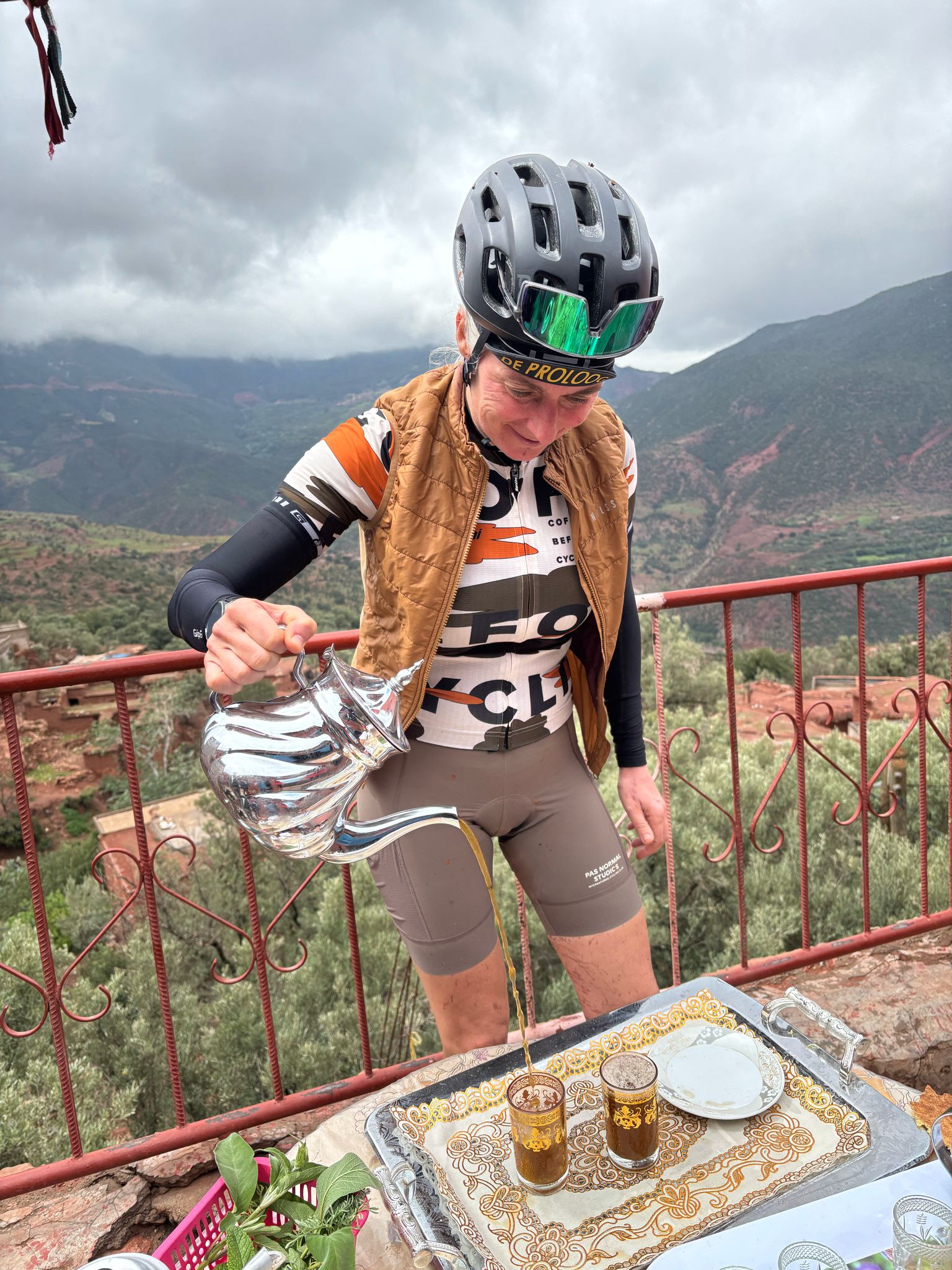
One of the most iconic sights in Morocco is a host pouring tea from a silver teapot high above the glass. This isn’t just for show — the technique aerates the tea, producing foam (called “riza”) and enhancing the flavor.
If there’s no foam, the tea may be considered poorly made. The higher the pour, the better the host’s skill.
Typically, tea is poured, tasted, and re-boiled several times before being served to guests, ensuring a perfect flavor balance.
—
More Than One Glass — A Story in Three Rounds
There’s a saying in Morocco: “The first glass is as gentle as life, the second is as strong as love, the third is as bitter as death.”
In traditional settings, three rounds of tea may be served — each slightly different in strength and flavor, representing the stages of life. This poetic ritual reflects the Moroccan view of hospitality as something profound and sacred.
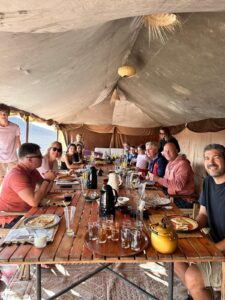
When you travel with Atlas Sahara Event, you’ll likely experience this tradition in Berber homes or desert camps, where every cup tells a story.
—
A Daily Ritual — Not Just for Guests
Moroccan mint tea is enjoyed several times a day — with breakfast, after meals, during business meetings, or while watching the sunset.
In rural villages, family members often gather in the afternoon for tea and conversation. In cities, it’s common to see men sitting in cafés sipping mint tea while watching the world go by.
It’s a moment of pause, of connection, and of reflection. In a fast-paced world, mint tea offers something simple yet profound: time shared.
—
How You’ll Experience Mint Tea as a Traveler
As a guest exploring Morocco, you’ll be invited to enjoy mint tea at almost every turn:
- Upon arrival at a riad (guesthouse)
- During visits to local homes or cooperatives
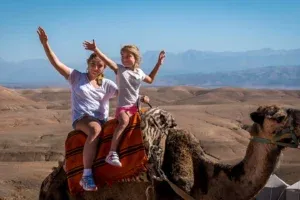
- After a camel trek in the Sahara
- On a mountain break after hiking the High Atlas
- While browsing carpets or artisanal goods
At Atlas Sahara Event, we believe in authentic travel. That means sharing these tea moments with local families, not just in hotels — because that’s where the real culture lives.
—
Would You Like to Try Making It Yourself?
Many of our guided tours include hands-on experiences such as traditional Moroccan cooking classes or mint tea preparation workshops. You’ll learn how to:
- Brew the perfect tea using a traditional teapot
- Pick and use fresh mint
- Pour with elegance and purpose
- Understand the symbolism behind every step
These small moments turn into big memories — and you can bring the tradition home with you.
—
Conclusion: A Cup of Culture
In Morocco, mint tea is not just a drink. It is a symbol of warmth, respect, and togetherness. It’s the thread that weaves people together — across families, friends, and strangers.
As you travel through Morocco with Atlas Sahara Event, mint tea will become a familiar and comforting companion — always offered with sincerity, always telling a story.
So when you lift that delicate glass to your lips, remember: you’re not just tasting tea. You’re experiencing the heart of Morocco.
—
🫖 Want to experience Moroccan mint tea in a Berber village or a Sahara campfire circle?
Let Atlas Sahara Event take you there — where tradition lives and hospitality warms every heart.
📩 Contact us today at info@atlassaharaevent.com
🌍 Explore more at: www.atlassaharaevent.com