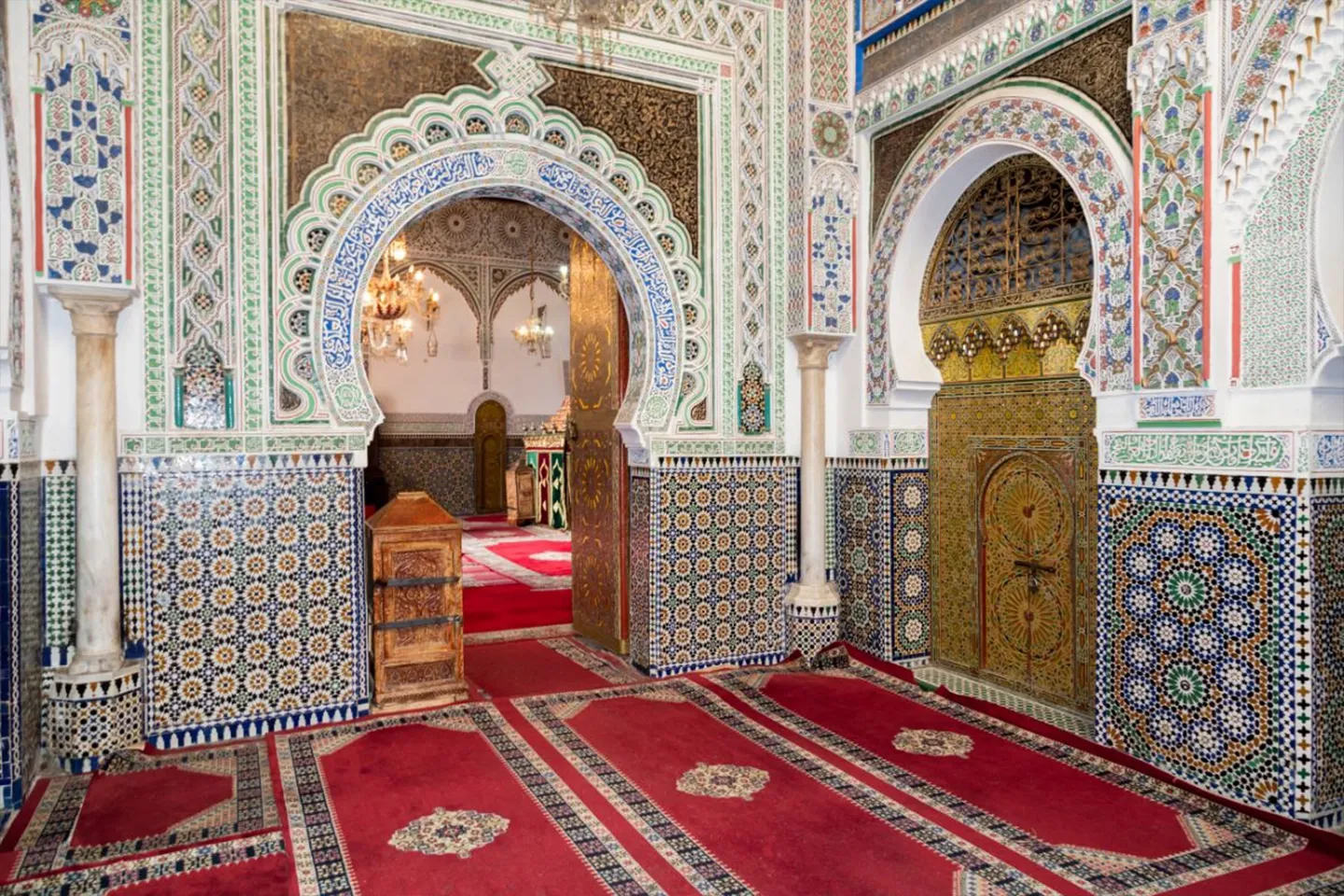
Ramadan is a special time in Morocco — a month of reflection, spirituality, community, and tradition. For travelers, it offers a unique opportunity to witness Moroccan culture at its most authentic and spiritual. But visiting during this holy month also comes with important customs and considerations.
If you’re planning a trip to Morocco during Ramadan, this guide will help you understand what to expect and how to respect the local culture — all while enjoying a meaningful and enriching experience.
—
What Is Ramadan?
Ramadan is the ninth month of the Islamic calendar, during which Muslims fast from sunrise (fajr) to sunset (maghrib). Fasting includes abstaining from food, drink, smoking, and even chewing gum during daylight hours. It’s also a time of spiritual growth, prayer, charity, and family gatherings.
In Morocco, Ramadan is widely observed across all regions — from large cities to remote Berber villages.
In 2025, Ramadan is expected to begin around February 28 and end around March 29 (exact dates may vary based on the lunar calendar).
—
What to Expect as a Traveler During Ramadan
1. 🕒 Altered Schedules and Business Hours
- Many businesses, especially restaurants and cafés, close during the day and reopen after sunset.
- Government offices and banks may operate on reduced hours.
- Tourist attractions usually remain open but may have shorter schedules.
- Life becomes livelier at night, with families gathering for ftour (the evening meal) and cities coming alive.
2. 🍽️ Daytime Dining May Be Limited
While some tourist hotels and riads will continue to serve meals during the day, many public restaurants will be closed until after sunset — especially in non-touristy areas.
✅ Tip: Carry snacks and bottled water during your excursions (and consume discreetly in private or designated spaces).
3. 🌙 The Magical Ftour (Breaking the Fast)
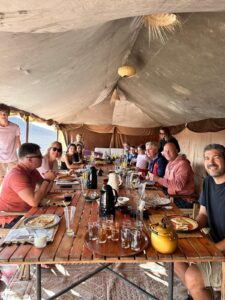
The ftour (iftar) is a cherished daily event. It typically includes harira (a traditional soup), dates, boiled eggs, pastries, fresh bread, and mint tea.
If you’re lucky enough to be invited to a local home or ftour gathering, it’s an unforgettable experience.
With Atlas Sahara Event, you can enjoy an authentic ftour in a Berber village or with a host family — a highlight of many guests’ trips.
4. 🕌 Increased Spiritual Atmosphere
Mosques are busier than usual, especially during the evening Taraweeh prayers. You’ll hear the call to prayer echoing through the streets and see more people in traditional dress.
Be respectful near mosques and avoid taking photos during prayers.
5. 🛍️ Markets and Souks Become Vibrant at Night
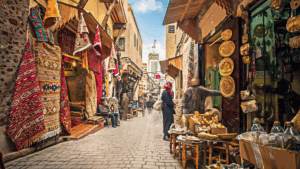
After sunset, souks and food stalls open up with energy and celebration. Locals shop for ftour ingredients, sweet pastries like chebakia, or clothing for Eid al-Fitr (the holiday marking the end of Ramadan).
It’s a wonderful time to explore the medinas with fewer tourists and more locals.
—
Do’s and Don’ts When Traveling During Ramadan
✅ Do:
- Dress modestly: Cover shoulders and knees, especially in villages or religious areas.
- Be patient: Fasting can be tiring, especially in hot weather. Show empathy to guides, drivers, and vendors.
- Accept invitations: Sharing a meal during Ramadan is a great cultural bridge.
- Visit during Eid al-Fitr: The holiday after Ramadan is festive and joyful — a great cultural celebration.
🚫 Don’t:
- Eat, drink, or smoke in public during daylight hours — especially in rural areas or on public transport.
- Play loud music or act disruptive in public spaces.
- Enter mosques (unless permitted for non-Muslims — like Hassan II Mosque in Casablanca).
—
Pros & Cons of Traveling to Morocco During Ramadan
✅ Advantages:
- Fewer tourists = more authentic experiences.
- Evening celebrations and ftour meals are culturally rich.
- Opportunity to witness Moroccan hospitality and faith firsthand.
- A peaceful, slower pace of life.
❌ Challenges:
- Some daytime services (restaurants, banks, shops) may be limited.
- Energy levels of locals may be lower during fasting hours.
- Alcohol is generally harder to find and not served in many places.
—
Ramadan with Atlas Sahara Event
At Atlas Sahara Event, we tailor your experience to respect and embrace Ramadan’s rhythm.
You can:
- Participate in a traditional ftour in the Atlas Mountains or Sahara.
- Join guided medina tours adapted to Ramadan hours.
- Visit artisan cooperatives and cultural centers that remain open.
- Enjoy private desert camps with thoughtful meal schedules during Ramadan.
—
Final Thoughts
Traveling in Morocco during Ramadan offers something rare — a chance to experience not just the sights, but the soul of a country. With understanding and respect, you’ll enjoy deeper connections, heartfelt hospitality, and a new perspective on Moroccan life.
Whether you’re exploring ancient cities, hiking in the High Atlas, or camping under the Sahara stars — Morocco during Ramadan is unforgettable.
Want to plan your trip around Ramadan in Morocco?
Contact Atlas Sahara Event — and let us guide you through a meaningful journey.